Top Industrial Carpenters in Geelong for Large Scale Projects
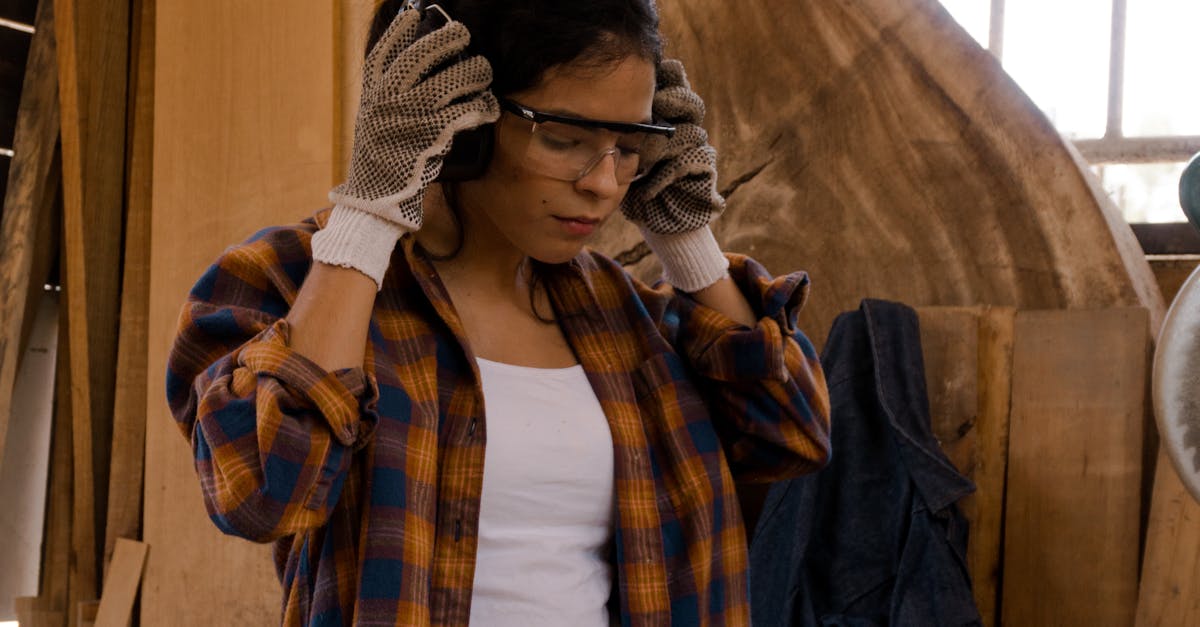
Table Of Contents
Project Management in Industrial Carpentry
Effective project management is critical in industrial carpentry, particularly when handling large-scale tasks. This process requires a meticulous approach to planning, budgeting, and scheduling to ensure that all aspects of a project run seamlessly. Communication plays a vital role, as it ensures that all stakeholders, including clients, suppliers, and contractors, are aligned with the project goals and timelines. Clear channels of communication help mitigate misunderstandings and promote a collaborative environment, leading to better outcomes.
Resource management is another key aspect of successful project management in this field. Proper allocation of materials and skilled labour prevents delays and ensures that every component reaches the construction site on time and in the right condition. Monitoring progress regularly enables project managers to adjust plans as necessary, addressing potential issues before they escalate. This proactive approach not only keeps the project on track but also enhances overall efficiency and productivity, significantly benefiting large-scale industrial carpentry projects.
Coordinating Large Scale Projects Effectively
Effective coordination is crucial for the seamless execution of large-scale industrial carpentry projects. Clear communication among team members, subcontractors, and stakeholders plays a vital role in ensuring that all parties are aligned with the project objectives. Establishing a robust project timeline helps to set expectations and keeps everyone accountable. Regular meetings and updates can facilitate collaboration while addressing potential issues before they escalate, allowing for timely adjustments to the workflow.
Utilising advanced project management tools can streamline the coordination process. Software applications that allow for scheduling, budgeting, and resource allocation enable teams to monitor progress in real-time. Integrating these tools fosters transparency and promotes efficient decision-making. A well-structured approach to coordination can significantly reduce delays and enhance overall productivity, leading to successful project outcomes.
Safety Standards in Industrial Carpentry
Safety is paramount in any industrial setting, particularly within carpentry where heavy machinery and tools are involved. Adherence to established safety standards is essential to protect workers from potential hazards. Regular training sessions ensure that carpenters are up to date with the latest safety protocols. Conducting risk assessments before starting projects identifies potential dangers and mitigates them through appropriate preventative measures.
Compliance with regulations not only enhances workplace safety but also fosters a culture of responsibility. Implementing personal protective equipment policies, such as hard hats, gloves, and safety goggles, reduces the risk of injuries significantly. Companies often conduct safety audits to ensure that all practices align with legal requirements. Emphasising safety creates a more efficient work environment, ultimately benefiting both employees and project timelines.
Compliance with Regulations and Best Practices
Adhering to regulations is crucial in the realm of industrial carpentry, particularly when executing large-scale projects. Compliance with local building codes ensures that structural integrity and safety measures are upheld throughout the construction process. Professionals in the field must remain informed about any changes in legislation and guidelines to avoid potential legal repercussions and ensure the well-being of workers and the general public.
Best practices form the backbone of quality workmanship and project efficiency. Techniques such as regular training for staff and implementing checklists for quality assurance can significantly reduce errors. By fostering a culture that prioritises safety and adherence to established standards, industrial carpenters can enhance their reputation and deliver projects that meet both client expectations and regulatory demands.
Sustainable Practices in Carpentry
The demand for sustainable practices in industrial carpentry has increased significantly as environmental concerns become more prominent. Carpenters are now exploring a variety of eco-friendly materials that have minimal impact on the environment. Recycled wood, bamboo, and sustainable timber sourced from responsibly managed forests provide excellent alternatives to traditional materials. Efficient waste management strategies are also being adopted, including recycling scrap wood and reusing materials whenever possible, reducing overall waste generated during construction.
Implementing sustainable methods extends beyond material choice. Many industrial carpenters are integrating energy-efficient techniques into their projects. This includes using eco-friendly finishes that emit fewer volatile organic compounds and incorporating design elements that maximise natural light, reducing the need for artificial lighting. Through these strategies, carpenters contribute to creating healthier indoor environments and lower the overall carbon footprint of their projects, aligning their work with global sustainability goals.
Eco-Friendly Materials and Methods
The growing emphasis on sustainability in the construction industry has led to the increasing use of eco-friendly materials. Reclaimed timber, bamboo, and other renewable resources are gaining popularity due to their lower environmental impact. These materials offer durability while reducing the carbon footprint associated with traditional lumber. Incorporating non-toxic finishes and adhesives further enhances the overall sustainability of projects, ensuring that the indoor air quality remains healthy and safe for occupants.
Adopting innovative building methods also plays a crucial role in eco-friendly carpentry. Techniques such as modular construction allow for less waste, as components can be prefabricated off-site and assembled with precision. This approach not only streamlines the building process but also minimises the disruption to the surrounding environment. Carpenters focusing on sustainable practices are committed to reducing waste and enhancing energy efficiency, making it easier to meet the expectations of environmentally conscious clients.
FAQS
What qualifications should I look for in an industrial carpenter in Geelong?
When searching for an industrial carpenter, look for qualifications such as a Certificate III in Carpentry, experience in large-scale projects, and familiarity with relevant safety and building regulations.
How do industrial carpenters ensure safety on large-scale projects?
Industrial carpenters ensure safety by adhering to strict safety standards, conducting regular site inspections, using appropriate personal protective equipment, and keeping up-to-date with compliance regulations.
What eco-friendly materials are commonly used in industrial carpentry?
Common eco-friendly materials include reclaimed wood, bamboo, recycled steel, and low-VOC (volatile organic compound) finishes, which help reduce the environmental impact of construction.
How can I find reliable industrial carpenters for my project in Geelong?
To find reliable industrial carpenters, consider seeking recommendations from local builders, checking online reviews, and verifying their portfolios of past projects to assess their expertise.
What is the importance of project management in industrial carpentry?
Effective project management is crucial in industrial carpentry as it ensures that projects are completed on time, within budget, and to the required quality standards, while also coordinating various teams and resources efficiently.
Related Links
Innovative Industrial Carpentry Techniques Used in GeelongInsights into Industrial Carpentry Cost Estimates in Geelong
Key Tools and Materials Used by Industrial Carpenters in Geelong
Case Studies of Successful Industrial Carpentry Projects in Geelong
How Geelong's Industrial Carpenters Are Adapting to Modern Needs